

Vehicle theft in the UK has reached a 15-year high with cars stolen every three minutes. Here's what's changed in 2026, why your driveway is at risk, and the exact protection strategy using driveway bollards that cuts theft risk by up to 85%.
2026 UK Car Theft Trends: What You Need to Know
Here's the harsh reality: according to the Office for National Statistics (ONS) for the year ending March 2025, vehicle thefts in England and Wales surged 21% with approximately 130,000 vehicles stolen annually--that's one stolen every three minutes. Only 40% of those vehicles are ever recovered.
The trends show no sign of slowing down for 2026. The Ford Fiesta remains the most targeted vehicle, with 4,446 reported thefts in 2024 alone. The Volkswagen Golf, Ford Focus, BMW 3 Series, and Toyota RAV4 round out the top five most-stolen cars across the UK.
Most drivers assume street parking is the real danger, but the data tells a different story: 38% of all thefts happen in semi-private areas - your driveway, your car park, the streets near your home. These are the locations thieves target because they believe security is lighter and the risk is lower. The truth is, your driveway is as much at risk as any public location, which is why you need a multi-layered defense strategy, not just a steering wheel lock.
The Keyless Theft Crisis: Relay Attacks Explained
If your car has keyless entry, you're facing a threat that locks and alarms alone can't stop. In July 2023, keyless relay theft accounted for 98% of all stolen vehicles that recovery companies helped locate. That's not a security oversight--that's the new normal.
Here's how it works: thieves use a relay device to capture the signal from your car key--even from inside your home, several metres away. The device tricks your car into thinking the key is close by. Your doors unlock. The engine starts. Your car is gone in under 60 seconds, and the thief never needs to touch your physical keys.
Most people miss the critical detail: your key doesn't need to be near your car. Thieves can be operating within metres of your home while your keys sit in your kitchen drawer. This is why traditional physical locks and steering wheel locks are only part of the solution. You need to block the signal itself.
The Complete Driveway Protection Strategy
The most effective car theft prevention isn't one solution--it's four layers working together. Here's what actually works and why each layer matters:
Layer 1: Physical Access Control (Driveway Bollards)
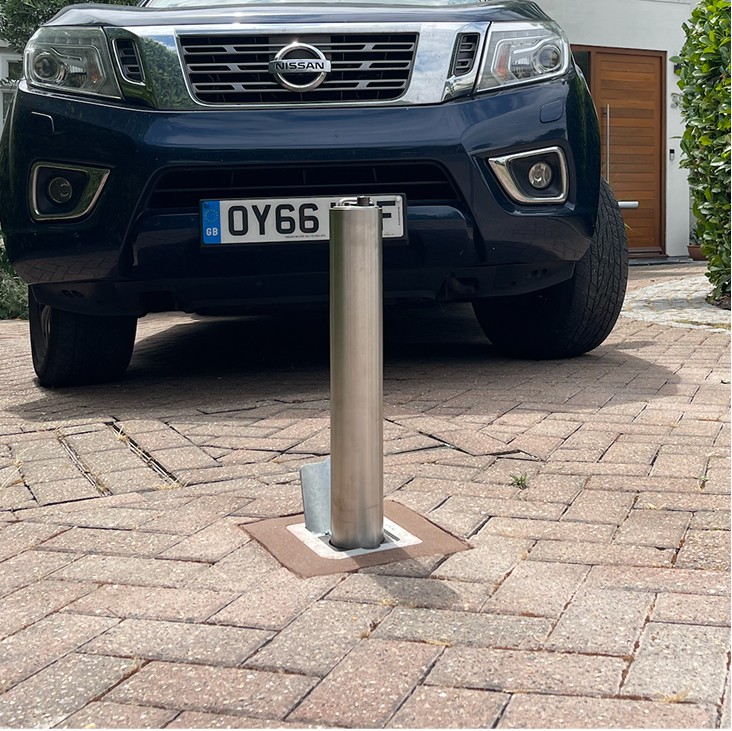
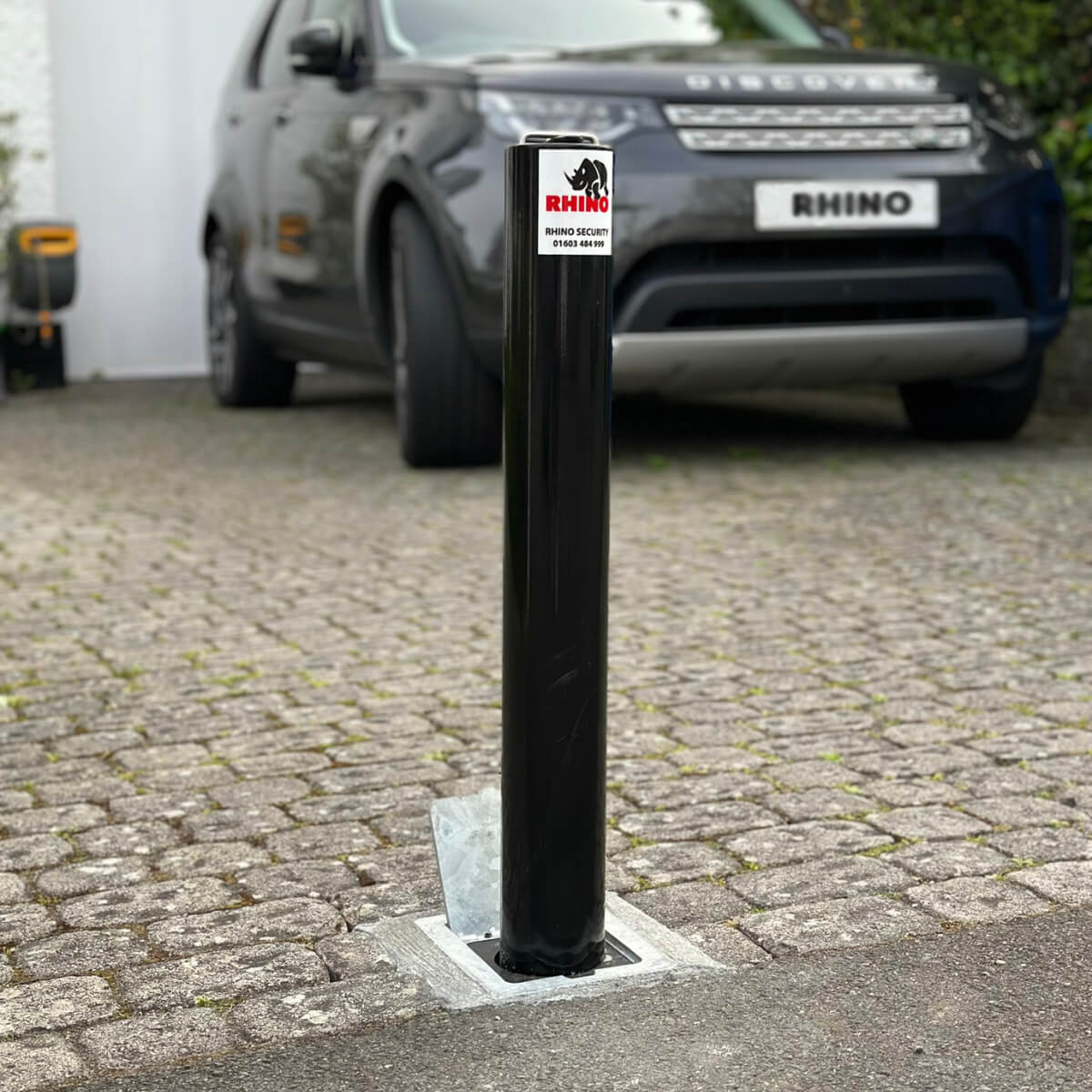
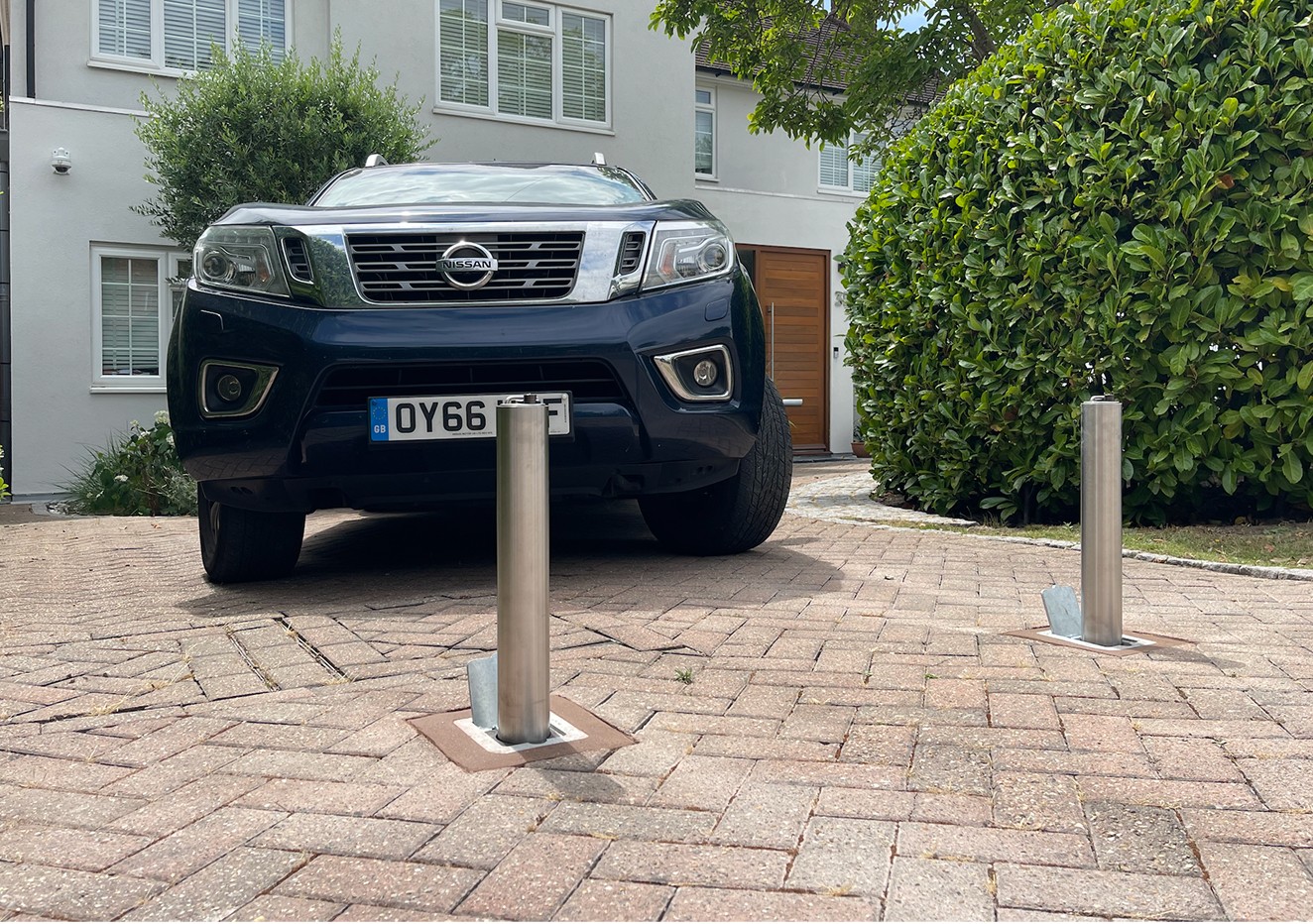
Bollards create a simple, brutal truth for thieves: even if they unlock your car, they cannot physically drive it away. No hack can overcome a telescopic or static security bollard installed on your driveway. A car that can't be moved is a car thieves skip entirely, because the resale value drops instantly with collision damage.
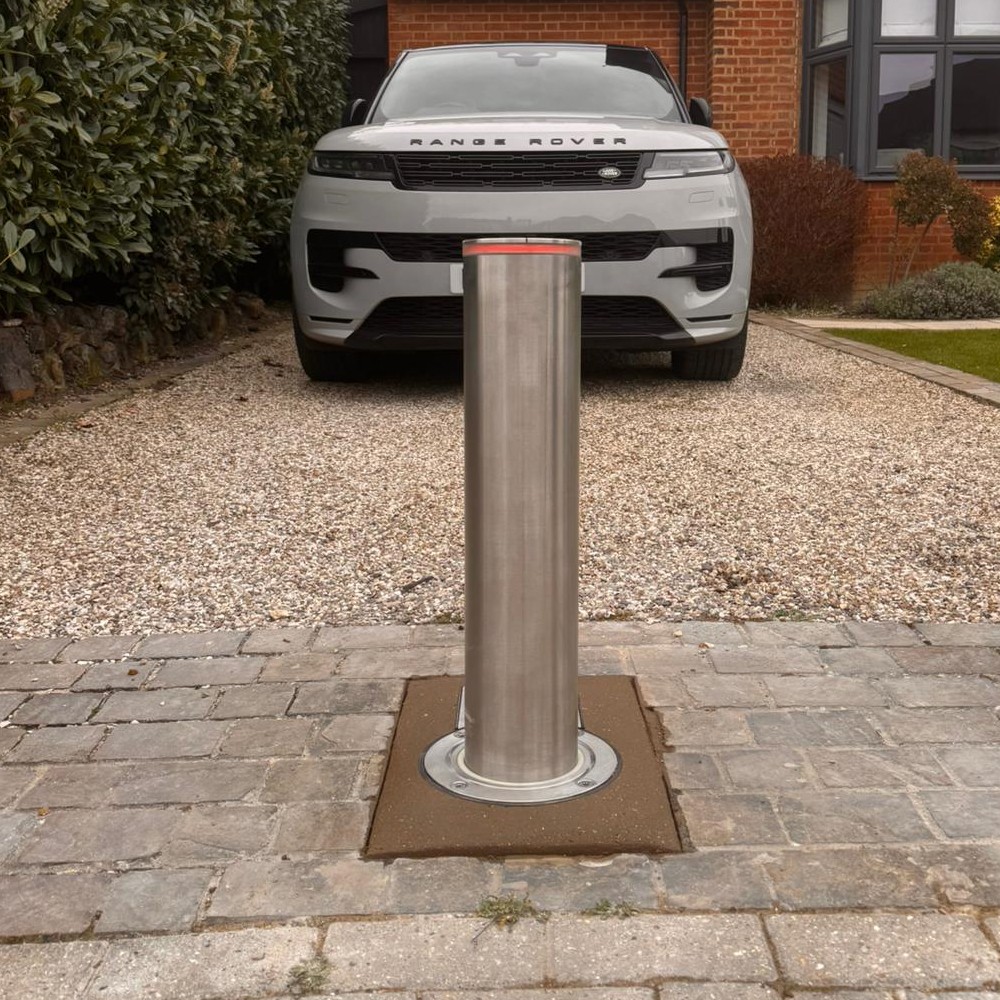
Wentworth Protection's DriveGuard telescopic bollards, for example, retract completely into the ground when lowered, so they don't interfere with your daily access. When engaged, they're almost impossible to overcome without heavy machinery that would attract immediate attention.
Layer 2: Electronic Immobilisation (Tracking, Alarms, Immobilisers)
A Thatcham-approved alarm system with movement sensors, anti-grab protection, and tracking does three things: it deters the casual opportunist, it alerts you if someone attempts entry, and it gives the police a location to recover your vehicle.
More importantly, a GPS tracker attached to your vehicle means even if a thief succeeds in taking your car, the police can locate and recover it. Recovery rates jump dramatically with active tracking.
Layer 3: Key-Level Signal Protection (Faraday Pouches)
Store your car key fob in a signal-blocking Faraday pouch when you're at home. This simple step stops relay thieves dead--they cannot capture a signal that doesn't exist. The Defender Pouch costs around £6 and is proven effective in independent tests. Check your pouch's integrity every few months, as wear and tear can compromise the shielding.
Keep your keys away from doors and windows. Distance matters. A key stored near an exterior wall is easier to target than one kept in a central interior room.
Layer 4: Vehicle-Level Physical Deterrents
Steering wheel locks, pedal boxes, and gear stick locks (particularly Sold Secure Diamond-rated products) make your car harder to drive if someone does manage to bypass electronic security. A Disklok covers the entire steering wheel and is visibly intimidating to thieves.
Physical Deterrents That Work
Most people miss this: a visible physical deterrent cuts theft risk simply because it makes your car harder than the one parked next to it.
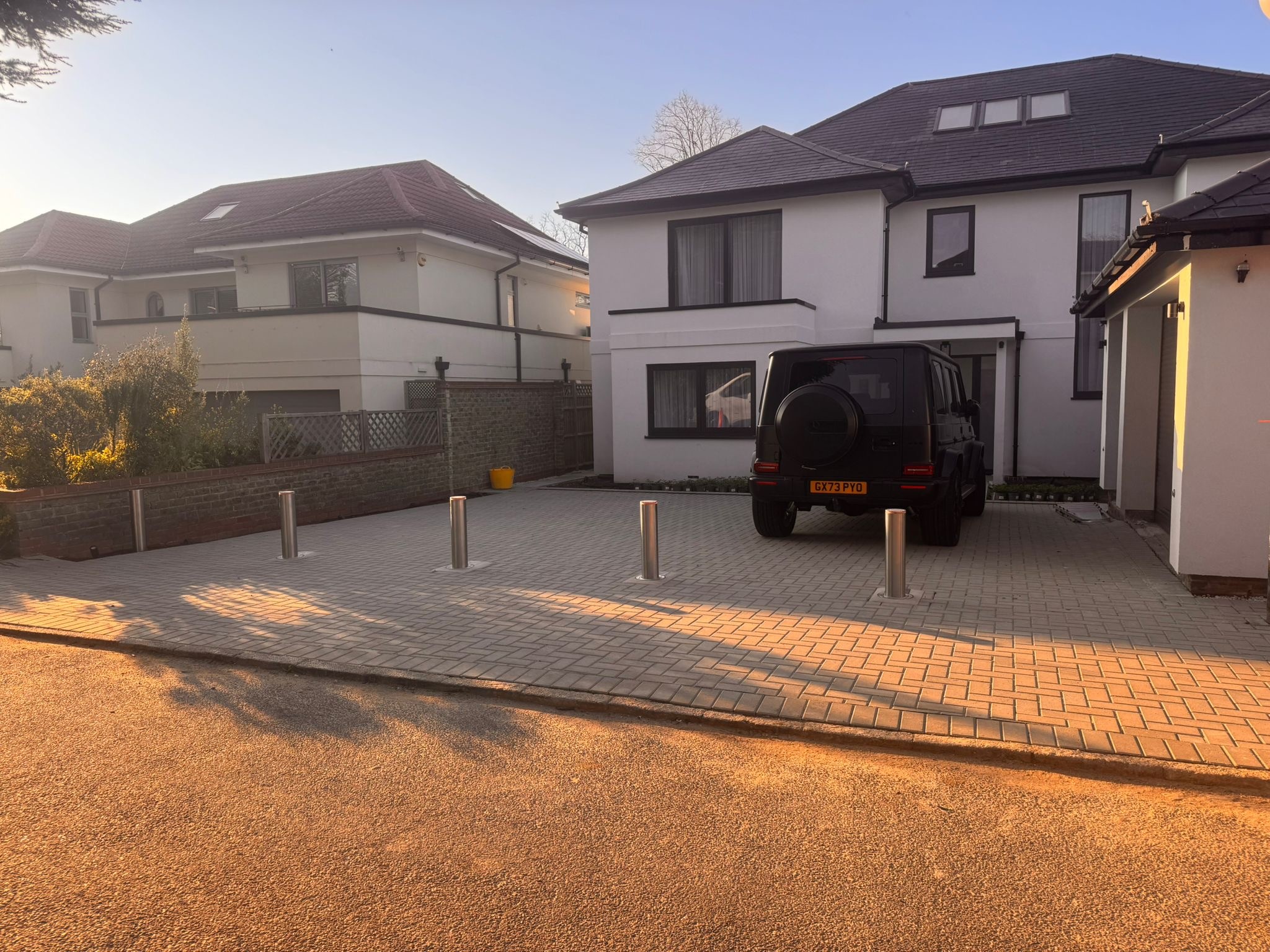
Driveway Bollards: The Gold Standard
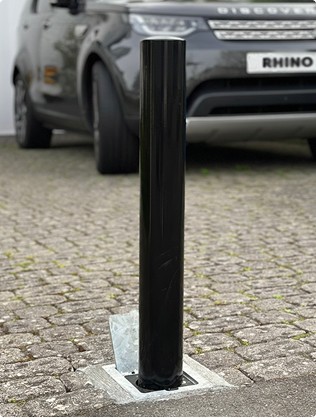
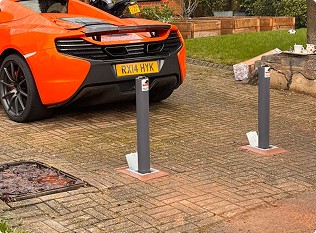
Driveway security bollards are the single most effective anti-theft investment for homeowners with cars parked at home. They work because they address the fundamental problem: locked doors and alarms mean nothing if the car can be driven away.
Telescopic bollards like Wentworth's DriveGuard Series drop completely underground when retracted, giving you full driveway access for daily use. When engaged, they're rated to withstand impact and cannot be overcome without leaving the vehicle and bollard severely damaged--and a damaged car is worthless to thieves.
Insurance companies recognise this. Installing professional driveway security bollards can reduce your car insurance premiums by 5-15%, depending on your insurer and vehicle. Some insurers also offer reduced excess if you have approved bollards installed, which means your out-of-pocket cost in the event of theft drops as well.
There's no planning permission required in the UK for security bollards on your own property, so installation is straightforward. Professional installation ensures proper anchoring and alignment, which is non-negotiable for effectiveness.
Steering Wheel Locks & Physical Locks
A Disklok or Milenco steering wheel lock is not a complete solution, but it's an excellent deterrent. Thieves want quick, quiet access. A steering wheel lock means sawing or drilling, which takes time and makes noise. Combined with bollards and electronic security, it's part of a defensive system that makes your vehicle simply not worth the effort.
Electronic Security Systems You Can Rely On
The honest truth is that electronics alone won't stop a determined thief, but they dramatically increase the cost and complexity of theft and improve recovery odds.
Thatcham-Approved Alarms
Alarms rated Thatcham Category 1 or 2 include immobilisation, movement sensors, and tracking capability. These systems trigger an alarm if someone attempts to break in or move your vehicle, and they alert the monitoring centre, which can dispatch police.
Insurance companies actively discount premiums for Thatcham-approved systems--often by 10-20% depending on your vehicle and postcode. The visible alarm sticker alone acts as a deterrent.
Ghost Immobilisers
A Ghost Immobiliser requires a user-defined PIN code, entered via your vehicle's dashboard buttons, before the engine will start. Even if a thief unlocks the car and disables the alarm, they cannot start it without the PIN. These systems are nearly invisible to thieves and are highly effective against relay attacks and traditional theft.
GPS Tracking Devices
GPS trackers won't prevent theft, but they transform a stolen vehicle from a permanent loss into a recovery opportunity. Police prioritise vehicles with active tracking, and recovery rates exceed 90% in urban areas when a vehicle is tracked in real time.
Keyless Protection: Your Defense Against Relay Attacks
If your car was manufactured after 2015, it almost certainly has keyless entry. Here's your practical defense against relay theft:
Signal-Blocking Faraday Pouches
A Faraday bag creates an electromagnetic shield around your key fob, blocking signal transmission. The bag needs to enclose the fob completely--gaps in the shielding allow signal leakage. At-home tests using a spare key and relay simulator should be done every 3-6 months to ensure the pouch is still effective.
Cost is minimal (£6-£20 for a quality pouch), and the protection is substantial. This is non-negotiable if you have a keyless car.
Distance from Windows & Doors
Even with a Faraday pouch, store your keys in a central interior room, away from external walls, windows, and doors. Relay range extends further near exit points. Interior storage reduces the capture distance and makes your home a harder target.
Motion Sensor Key Fobs
Many newer vehicles, including Ford Focus, Fiesta, BMW, Audi, and Mercedes models, include motion sensor technology in the key fob. The fob goes into sleep mode after 40 seconds of inactivity, preventing constant signal transmission. If your vehicle has this feature, ensure it's active and that you allow your key to go dormant when not in use.
Parking Smart: Location & Lighting Matter
Your car's location when parked is as important as the security devices protecting it. Thieves operate like any rational criminal--they avoid locations with high visibility, lighting, and potential witnesses.
Parked in a well-lit, busy area, your car is a harder target than an identical car parked in a dark, isolated location. If you park on your driveway, ensure motion-triggered security lighting is installed. If you use a car park, prioritise monitored facilities with CCTV and security presence.
Semi-private areas (driveways, residential car parks) account for 38% of thefts. These are considered lower-risk by thieves, which means your driveway needs active deterrents like bollards and lighting to offset that perception.
The Guarantee You Can Trust
Most insurance policies in the UK cover keyless car theft, including relay attacks, provided there's no evidence of negligence. If your car is stolen using signal-cloning technology and you've taken reasonable steps to secure it (signal-blocking pouch, secure key storage, distance from windows), your insurer should cover the loss.
Here's what "reasonable steps" means in practice: Faraday pouch, key storage 10+ metres from external doors, window locks engaged, and ideally a physical deterrent like bollards or steering wheel lock.
For driveway security, we're so confident in our driveway bollards that we offer the most aggressive guarantee in the industry. If your car is stolen whilst your Wentworth Bollards are engaged, we give you a full refund--covering the complete price of the bollards and professional installation. This ensures you can protect your vehicle with zero financial risk.
We also offer 0% financing options on professional driveway security installations, so cost is never a barrier to protecting what matters to you. A stolen vehicle costs far more in insurance excess, recovery time, and replacement than a professional security solution ever will.
Your Action Plan for 2026
Vehicle theft isn't random. Thieves target homes without visible deterrents, driveways without physical barriers, and cars with outdated security. Here's your step-by-step protection strategy:
This week: Get a Faraday pouch for your key fob (£6-20) and store keys in a central interior room.
This month: Add a Thatcham-approved alarm with tracking to your vehicle. Contact your insurer to confirm coverage and discuss premium reductions.
This quarter: Install steering wheel lock or gear stick lock (visible deterrent, £50-150).
This year: Invest in professional driveway bollards if you park at home regularly. The insurance savings alone offset the cost within 5-7 years, and the protection is permanent.
Each layer reduces your risk. Combined, they make your vehicle an unattractive target compared to unprotected alternatives.
written by