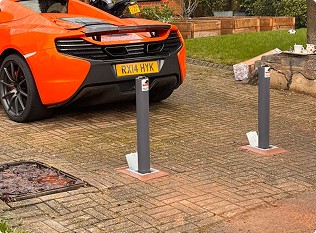
If you've ever had a car stolen off your driveway, or even just worried about it happening, you've probably looked into driveway security bollards. And the moment you start shopping, one phrase keeps cropping up: "insurance approved."
But what does that actually mean? Is there a single stamp of approval, or is it more complicated than that? And which bollards genuinely qualify?
To get to the point, some insurance companies will give you a substantial discount on your insurance premium if you get bollards installed. Why? Because it makes it significantly less likely that your car will get stolen, which reduces your risk profile (and therefore how much you pay).
There's No Single "Insurance Approved" Standard
This surprises a lot of people. There's no single governing body that hands out an "insurance approved" certificate for bollards. Instead, insurers look at whether a bollard meets one or more recognised security standards. The two that matter most are:
Sold Secure - This is the big one. Sold Secure is an independent testing body that attack-tests security products and awards them Bronze, Silver, Gold, or Diamond ratings. Gold means a product has been tested against a dedicated, tool-equipped thief. Most insurers recognise Sold Secure Gold as the benchmark for driveway bollards.
Secured by Design - This is a police-backed initiative run by the UK's Police Crime Prevention Initiatives (Police CPI). Products carrying the Secured by Design badge have been vetted as meeting police-preferred security specifications. It's not a standalone test like Sold Secure, but it carries real weight with insurers.
If a bollard holds at least one of these, ideally Sold Secure Gold, you're in solid territory for insurance recognition.
Which Types of Bollard Actually Qualify?
Not all bollards are created equal in the eyes of insurers. Here's where the distinctions matter.
Telescopic Bollards
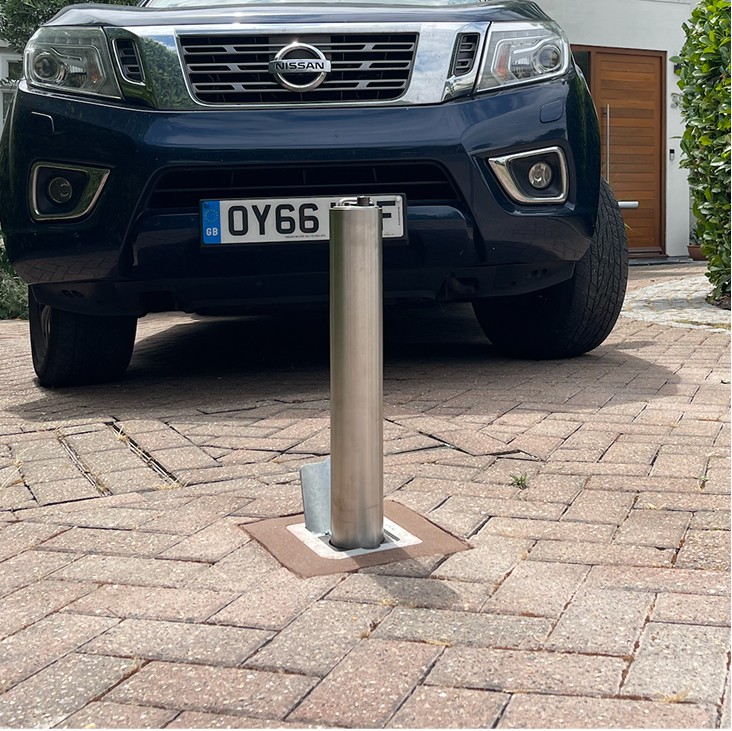
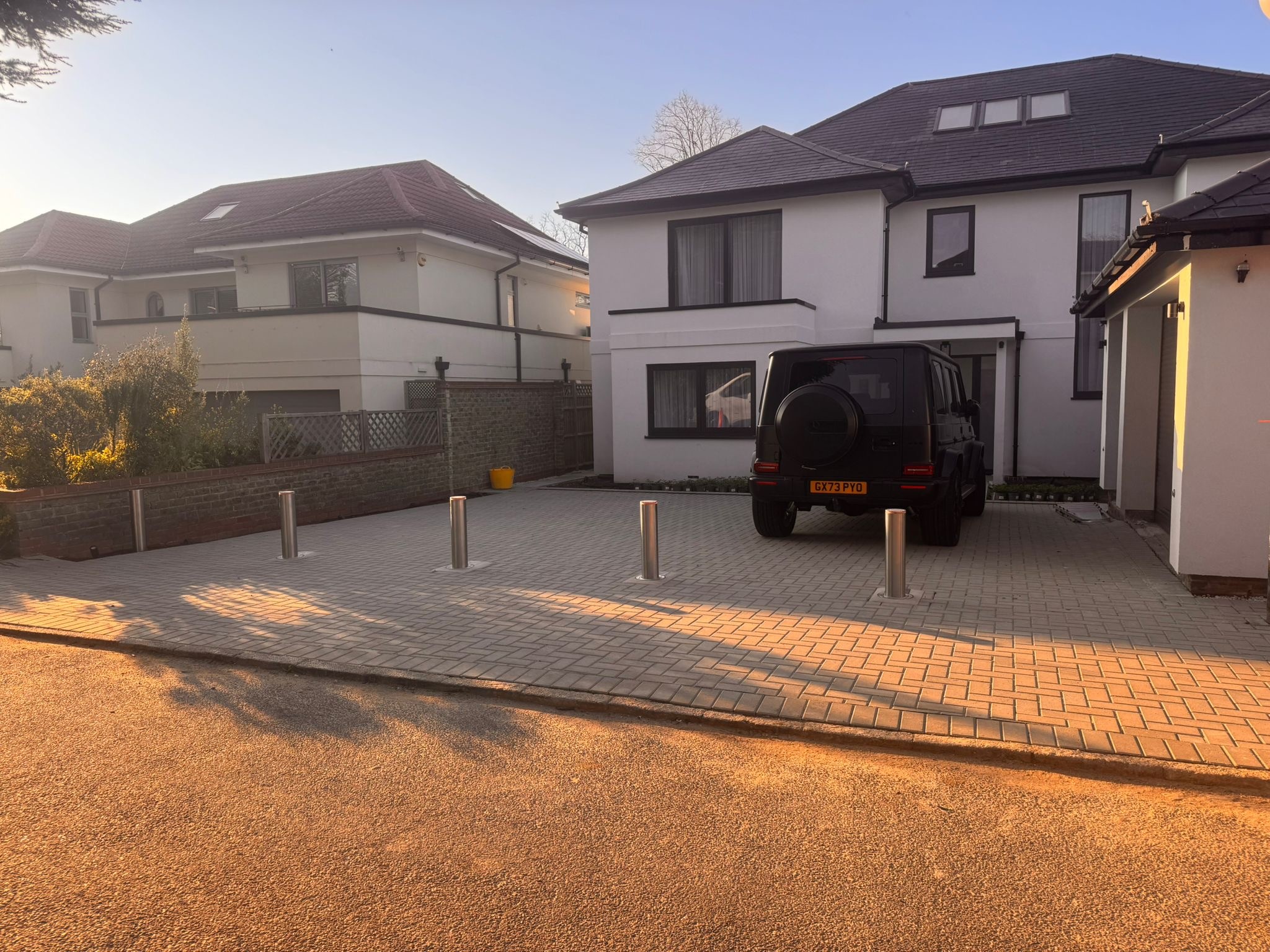
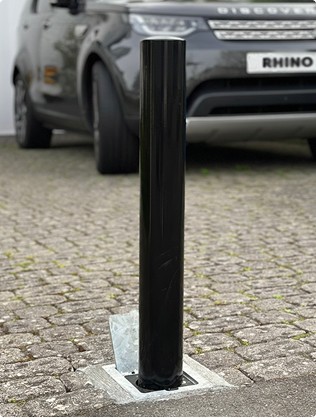
These are the most commonly installed type for residential driveways. They retract flush into a ground sleeve when you want to drive over them, then lock upright to block the driveway when your car is parked. The good heavy-duty telescopic bollards use heavy-gauge steel, typically 3mm wall thickness or more, and feature Sold Secure Gold accredited locking mechanisms that resist drilling, picking, and brute force.
Telescopic bollards with Sold Secure accreditation are widely accepted by insurers. They're the safe bet if you want a straightforward route to a premium discount.
Expect to pay between £800 and £1,000 fully installed per bollard, depending on material, diameter, and ground conditions.
Wentworth Protection supplies & installs the most widely recognised insurance-approved bollard in the UK. Check out some more information below.
Automatic (Electric) Bollards
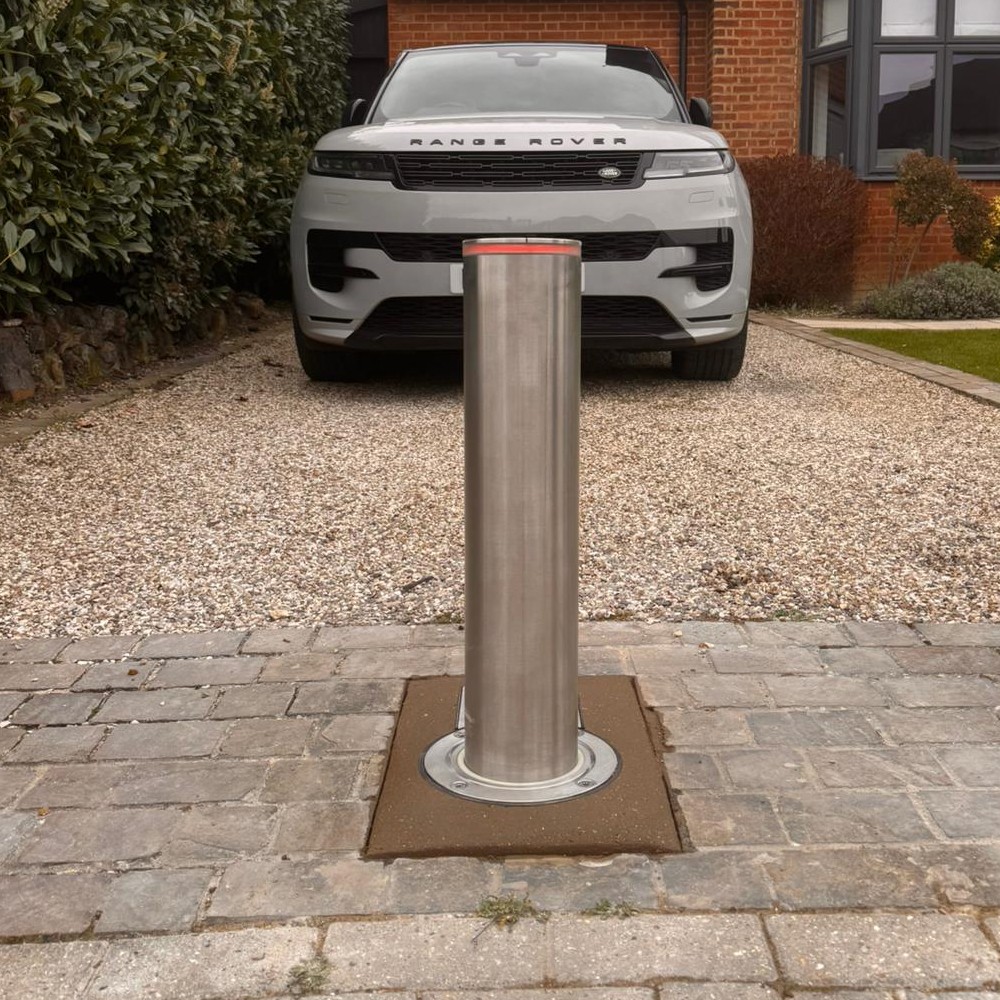
These raise and lower at the push of a remote control or key fob, no bending down, no manual lifting. They tend to be built from heavier steel and are anchored with substantial foundations.
Automatic driveway bollards are generally well-regarded by insurers, particularly for higher-value vehicles where keyless theft risk is greatest. They're more expensive, typically £4,000 to £6,000 installed, but the convenience factor means they actually get used consistently, which matters more than people realise.
What About Fold-Down Bollards?
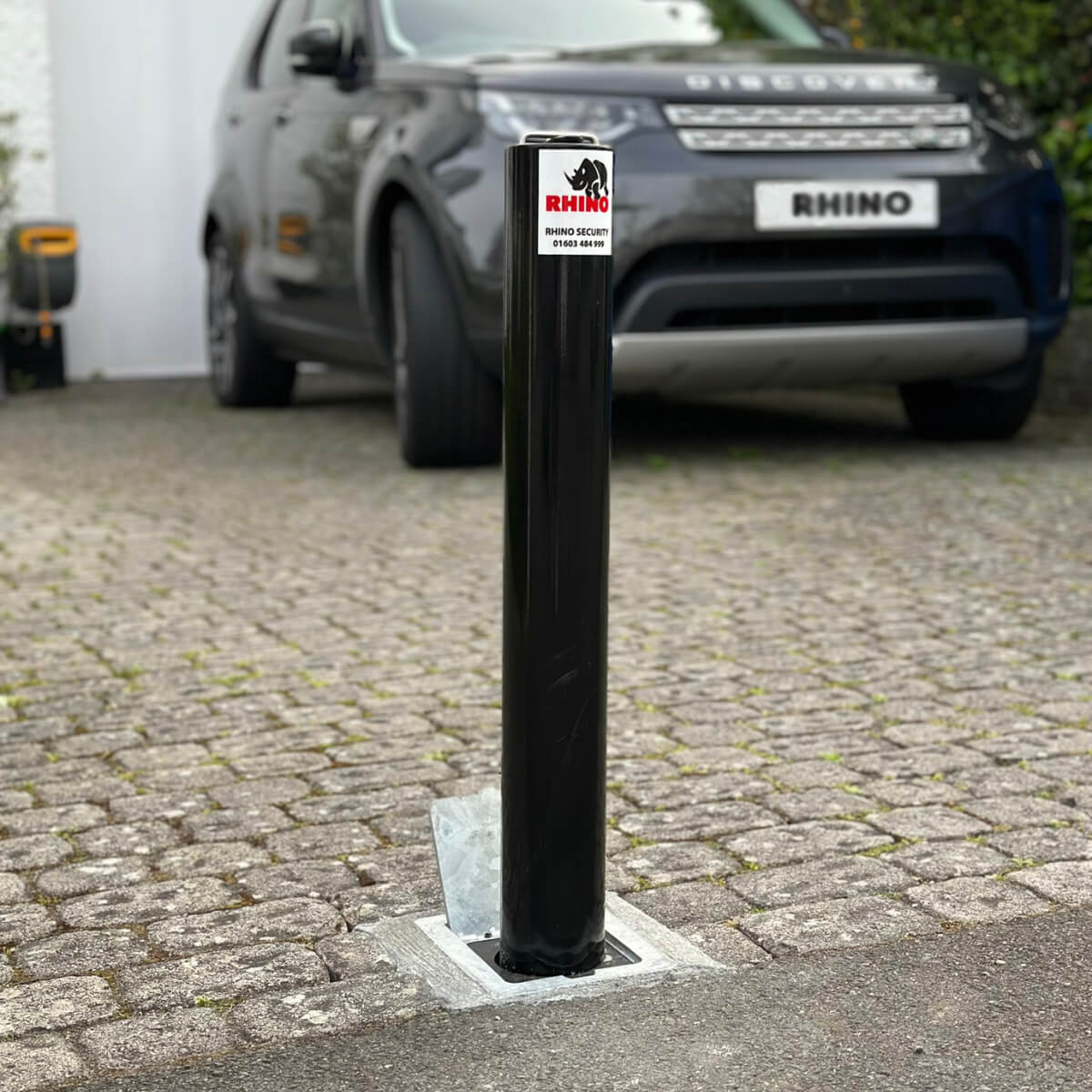
This one is import - fold-down (or hinged) bollards are popular because they're cheap and easy to install. But many insurers don't consider them insurance approved. The hinge mechanism makes them inherently weaker than a telescopic or removable bollard. A determined thief with a decent pair of bolt cutters, a car jack, or even a strong kick can defeat most fold-down designs relatively quickly.
If insurance recognition is important to you, fold-down bollards are generally not the way to go.
What Insurers Actually Want to See
Before you buy, it's worth having a quick conversation with your insurer. Requirements vary from company to company, but here's what most are looking for:
Accreditation - Sold Secure Gold is the standard most insurers reference. Some also accept LPS 1175 rated products or those carrying the Secured by Design badge.
Proper installation - Bollards need to be installed into the ground with appropriate foundations. Surface-mounted or bolt-down bollards may not be recognised, even if the bollard itself carries the right accreditation. The foundation depth and method matters because it determines how much lateral force the bollard can absorb.
Professional fitting - Some insurers require proof of professional installation. Even if yours doesn't explicitly require it, having an installation certificate or receipt from a recognised installer strengthens any future claim.
Wall thickness - Insurers generally expect a minimum steel wall thickness. Thinner-walled bollards, even if they look identical from the outside, may not meet the threshold for approval.
Key Accreditations to Look For
When you're comparing bollards, check the product listing or spec sheet for these:
Sold Secure Gold (or Diamond) - the most widely recognised by UK insurers
LPS 1175 SR1 or SR2 - physical security resistance certification
Secured by Design - police-backed crime prevention approval
Master Locksmiths Association (MLA) Approved - confirms the locking mechanism has been independently tested
BS EN ISO 9001:2000 - manufacturing quality standard
A bollard doesn't need all of these, but the more it has, the stronger your position with insurers.
How to Actually Get the Insurance Discount
Installing the bollards is only half the job. To get your premium reduced, you'll need to:
Tell your insurer before you buy. Ask specifically which accreditations they recognise and whether they have a list of approved products or installers.
Keep your paperwork. Save the product specification sheet, proof of accreditation, installation receipt, and any photos of the completed installation. Installers like Wentworth Protection provide paperwork that is compliant with all insurance providers, so it's as easy as submitting the paperwork they give you following (or ahead of) the install.
Update your policy. Contact your insurer once installation is complete and provide the documentation. The discount won't apply automatically - you need to declare the improvement.
Review at renewal. If your current insurer doesn't offer a meaningful discount, shop around. Mention the bollards to comparison sites and brokers. Some insurers, such as Aviva, AXA, and Allianz, have all been noted as recognising approved bollards, and may offer better terms than your current provider.
To Wrap It All Up
"Insurance approved" isn't a protected term, and there's no single certificate that guarantees every insurer will give you a discount. But bollards that carry Sold Secure Gold accreditation, are made from heavy-gauge steel, and are professionally installed into proper foundations are recognised by the vast majority of UK insurers.
Telescopic bollards are the most popular choice for residential driveways and offer the best balance of security, convenience, and cost. If you've got a higher-value vehicle or want something more effortless, automatic bollards are worth the extra spend.
The one type to be cautious about? Fold-down bollards. They're cheap, but most insurers won't recognise them - and if your car gets stolen, that distinction matters enormously.
Whatever you choose, talk to your insurer first, keep your paperwork, and make sure the installation is done properly by residential installation experts like Wentworth Protection. A few hundred pounds spent on the right bollards could save you thousands in premiums over the years, and a lot of heartache if someone ever does try their luck on your driveway.

written by