



Explore Our Range of Driveway Bollards & Security Posts
Looking for driveway bollards to protect your vehicle? Our range of security posts and bollards provide heavy-duty protection against theft and unauthorised parking. From manual telescopic bollards, heavy-duty bollards and anti-parking posts, to convenient automatic driveway bollards, we supply and install the right solution for your property. Serving London, Essex, Kent, Surrey and Birmingham.
✔ 0% Financing Options
✔ Installation Available
✔ Insurance Approved
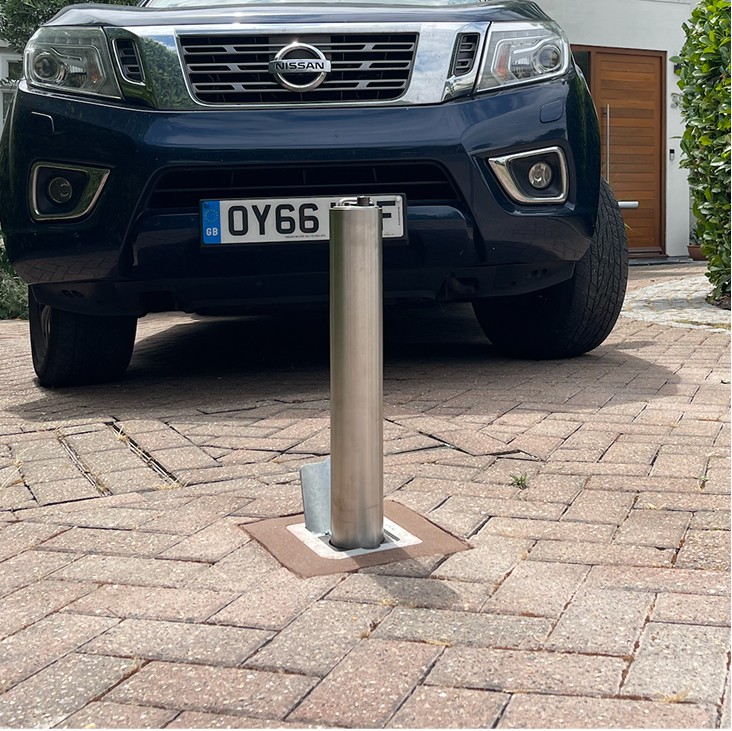
Telescopic Security Bollards
Our most popular choice for home driveways. Telescopic bollards retract flush into the ground when not in use, then lock securely upright to block vehicle access. Manually operated with a key.
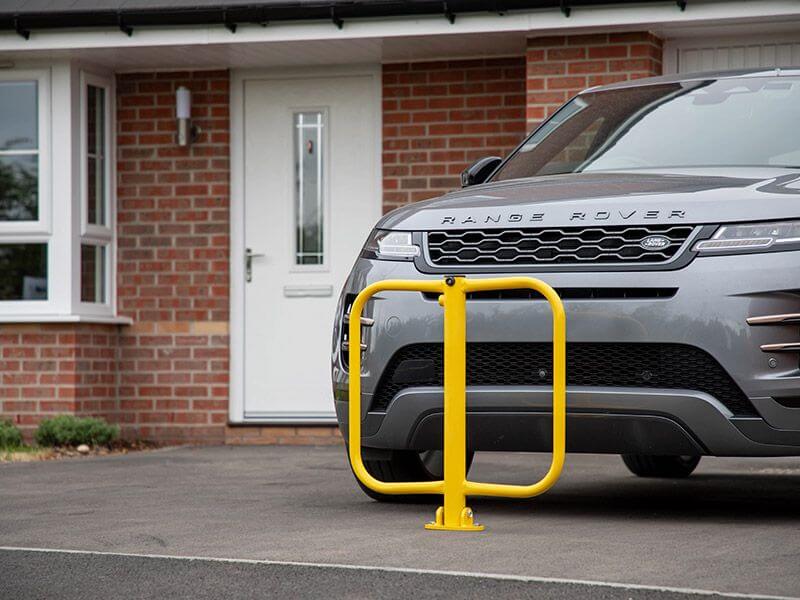
Anti-Parking Bollards
Fold-down parking posts designed to stop nuisance parking and protect your space. Quick to operate. Simply unlock, fold flat, and drive over. Ideal for reserved bays and shared driveways
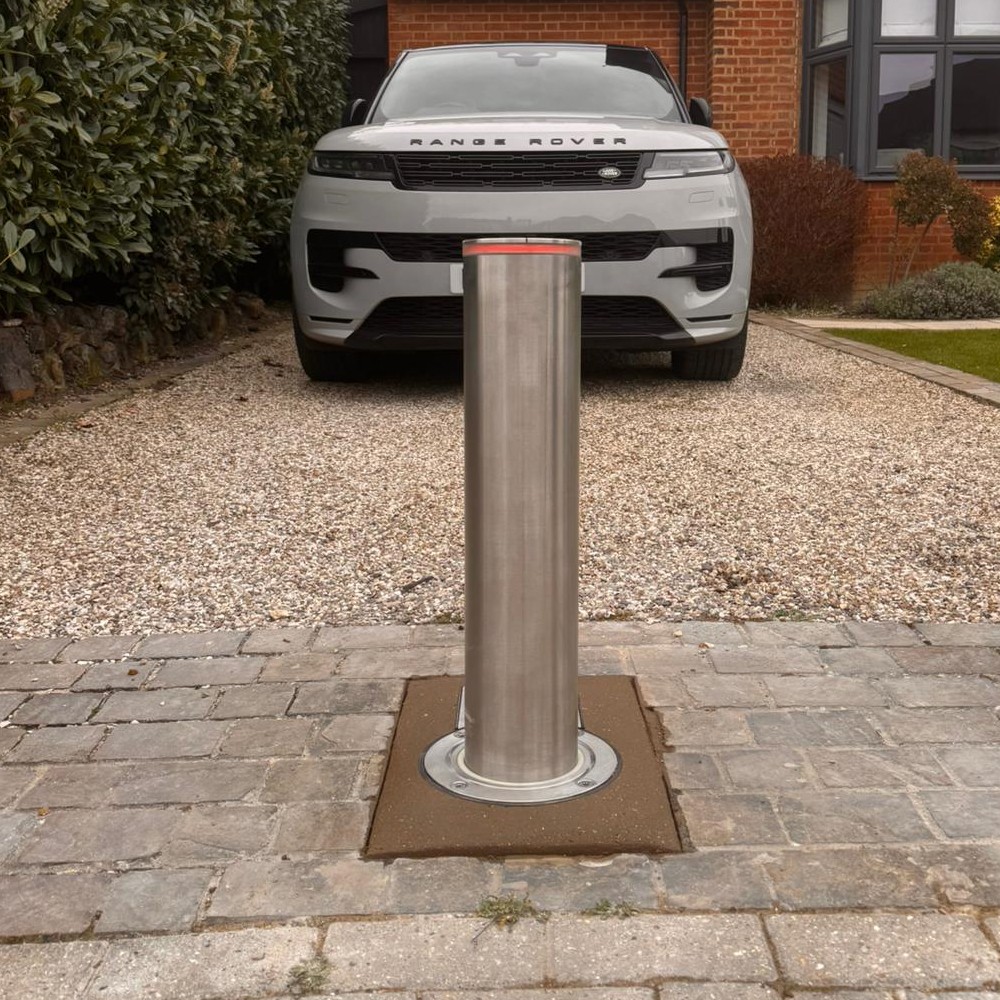
Automatic Driveway Bollards
Premium remote-controlled bollards that raise and lower at the push of a button. No bending down, no keys — just press your fob and drive in. Perfect for frequent use or mobility needs.

Lift-Assist Telescopic Bollards
Gas-assisted telescopic bollards that make operation effortless. The lift mechanism does the heavy lifting for you — ideal if you want manual control without the physical effort.
Heavy-Duty Telescopic
Heavy-duty telescopic bollards for those looking for extra protection Protect your driveway against vehicle theft and reduce insurance premiums. Get in touch for a free quote today.
Frequently Asked Questions
How much do static bollards cost?
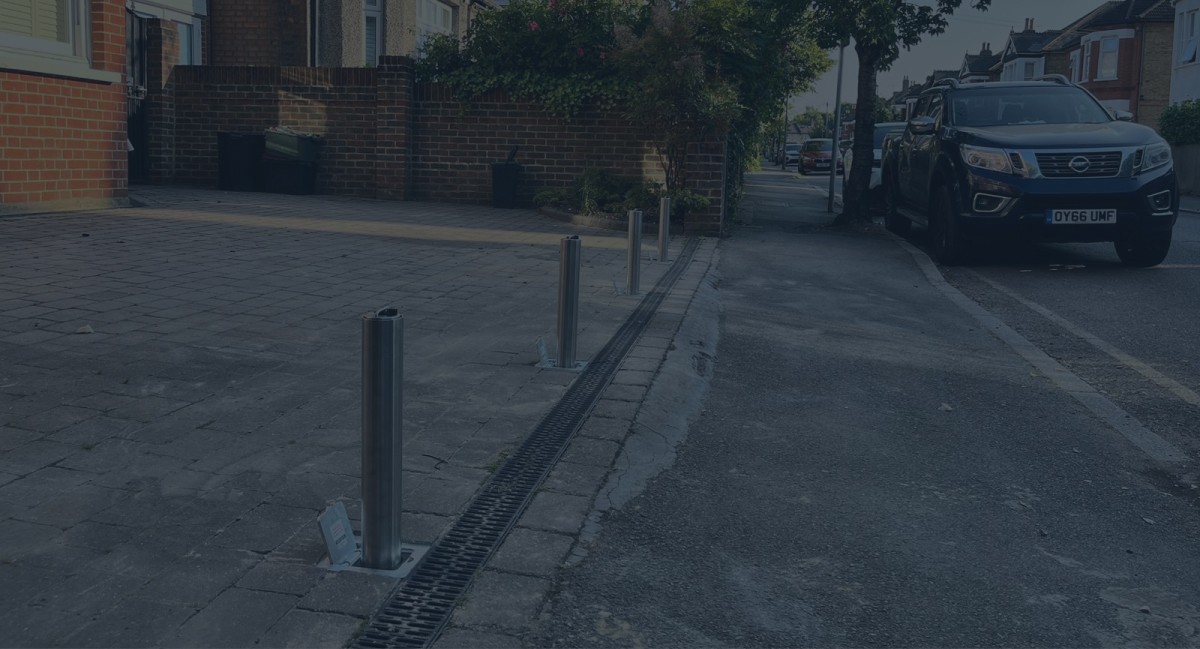
Static bollards typically start from around £250 each plus installation. Most projects use multiple bollards spaced 1.2 to 1.5m apart, so total cost depends on quantity, material, and how complex the foundations need to be. We provide free quotes tailored to your property.
What's the difference between static and telescopic bollards?
Static bollards are permanent and don't move. Telescopic bollards retract into the ground when you need vehicle access. Choose static when you never need to let vehicles through. Choose telescopic when you do.
How are static bollards installed?
We core-drill into your driveway or forecourt surface, set each bollard into a concrete foundation (typically 400 to 600mm deep), and pour around it. Each bollard takes around an hour, depending on the surface and how deep the foundation needs to be.
What materials are static bollards available in?
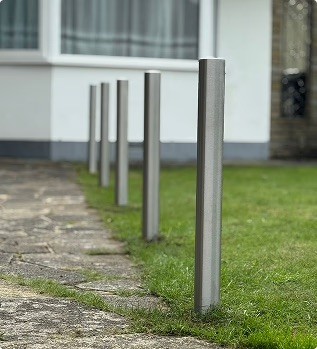
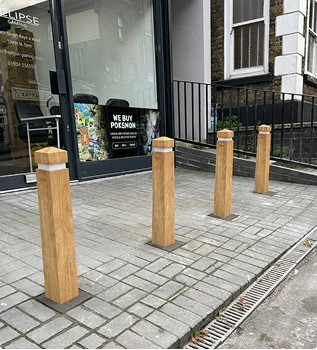
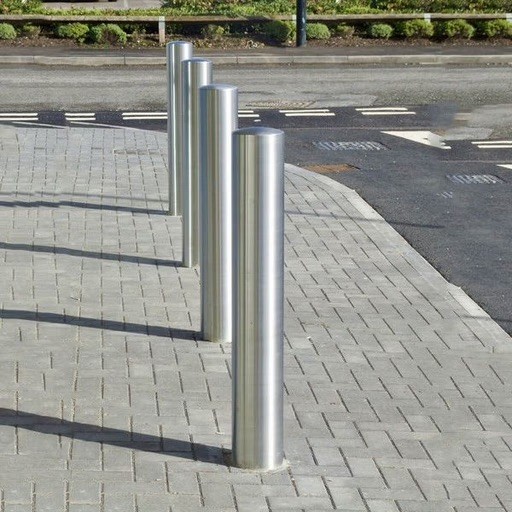
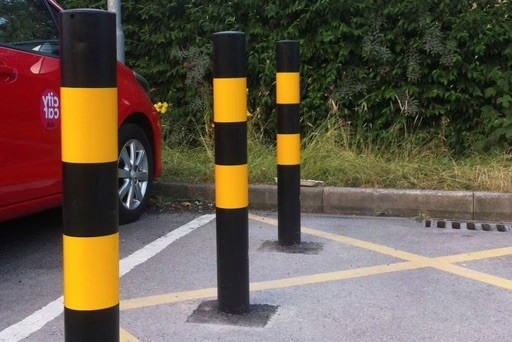
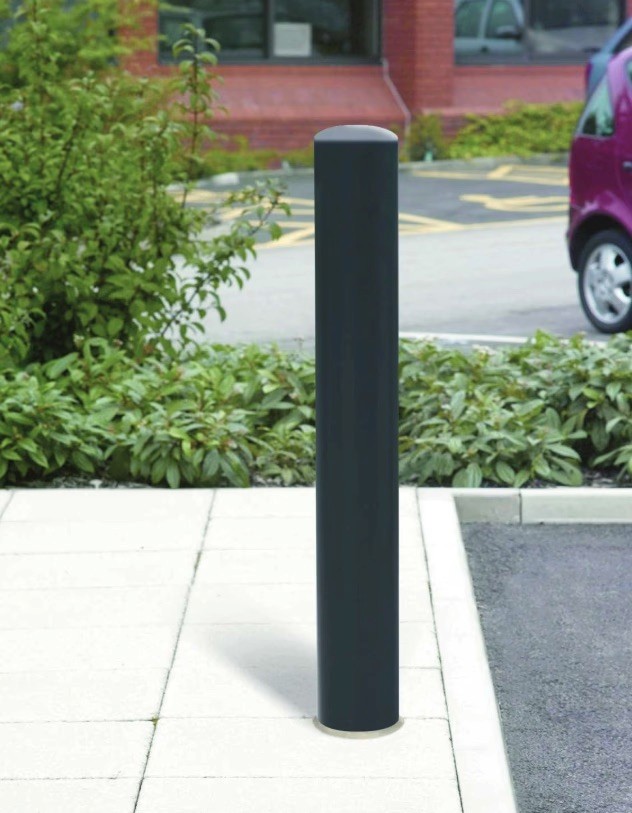
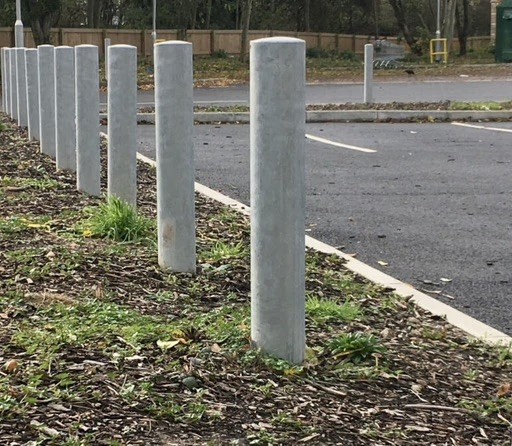
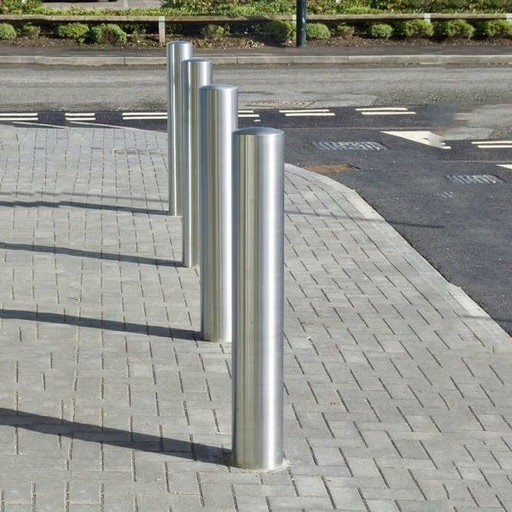
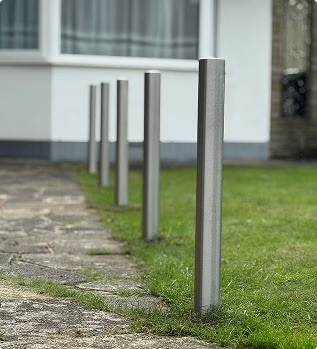
Three main options. Stainless steel for premium properties or coastal locations. Powder-coated steel in a range of colours (black, white, yellow, red, grey) for general residential and commercial use. Galvanised steel for heavier industrial settings.
How far apart should static bollards be spaced?
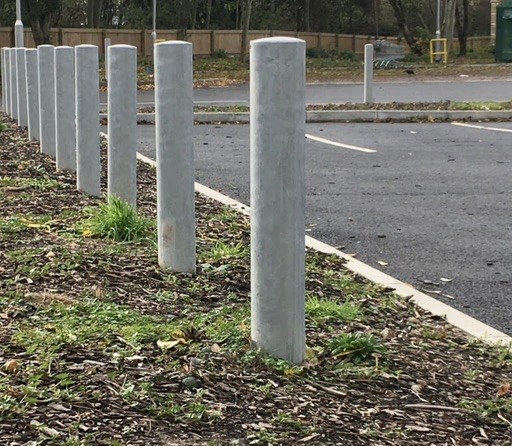
For full vehicle blocking, spacing of 1.2m to 1.5m between centres is the standard. This stops cars and most vans from squeezing through while still allowing pedestrian access. We'll advise on the right spacing for your specific layout.
Are static bollards insurance approved?
Yes. Most of our static bollards carry Sold Secure or LPS 1175 standards. They're often specified for commercial insurance applications because there's no mechanism to defeat or pick. We can provide documentation for your insurer on request.
Do static bollards need much maintenance?
Almost none. With no moving parts, locks, or motors, there's nothing mechanical to wear out. A periodic visual check for impact damage is usually all that's needed. Stainless steel models are essentially fit-and-forget.
Can static bollards stop vehicle ramming attacks?
Standard static bollards are a strong visual and physical deterrent against opportunistic vehicle attacks. For genuine anti-ram protection (commercial sites, government buildings, perimeter security), you'll want PAS 68 or IWA 14 rated bollards, which are tested against vehicle impact. We can advise based on your threat level.
Do I need planning permission for static bollards?
For residential properties they're classed as permitted development, so no permission is required. The exception is listed buildings or properties in conservation areas, where you may need to check with your local council. Commercial sites may have different requirements depending on location.


